
wallymighell90
About wallymighell90
Provigil: A Case Examine on Its Efficacy and Use In Sleep Disorders
Introduction
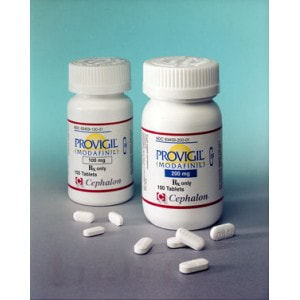
Provigil, generically generally known as modafinil, is a wakefulness-selling agent that has garnered consideration for its efficacy in treating disorders characterized by extreme sleepiness. When you loved this article and you want to receive more details regarding where can i buy modafinil online (simply click the following site) kindly visit our own internet site. Accredited by the FDA in 1998, it’s primarily prescribed for conditions such as narcolepsy, obstructive sleep apnea, and shift work sleep disorder. This case study delves into the pharmacological profile of Provigil, its clinical functions, potential unwanted side effects, and the implications of its use in both therapeutic and non-therapeutic settings.
Pharmacological Profile
Modafinil functions primarily as a central nervous system stimulant, though its precise mechanism of action remains not absolutely understood. It is believed to have an effect on several neurotransmitters within the mind, together with dopamine, norepinephrine, and serotonin. In contrast to traditional stimulants equivalent to amphetamines, Provigil has a lower potential for abuse and dependency, making it a most popular selection for patients with sleep disorders.
Clinical Purposes
Narcolepsy
Narcolepsy is a chronic neurological disorder characterized by overwhelming daytime drowsiness and sudden assaults of sleep. A 35-yr-old patient, Jane, diagnosed with narcolepsy, was prescribed Provigil after experiencing extreme daytime sleepiness that considerably impacted her high quality of life. After beginning therapy, Jane reported a marked enchancment in her skill to remain awake through the day, allowing her to return to work and interact in social actions.
Obstructive Sleep Apnea
Obstructive sleep apnea (OSA) is one other condition that may lead to extreme daytime sleepiness. In a clinical trial involving patients with OSA who continued to experience sleepiness regardless of continuous constructive airway stress (CPAP) therapy, Provigil was proven to reinforce alertness and cognitive function. One participant, John, noted that after taking Provigil, he felt extra energetic and focused at work, which improved his total productivity.
Shift Work Sleep Disorder
Shift work sleep disorder impacts people who work non-traditional hours, leading to issue sustaining alertness throughout waking hours. A case involving a nurse in a rotating shift schedule demonstrated the advantages of Provigil in managing her sleepiness. After a number of weeks of remedy, she reported significant improvements in her capacity to perform tasks throughout night time shifts, resulting in fewer errors and enhanced affected person care.
Efficacy and Benefits
The efficacy of Provigil has been supported by quite a few studies. A meta-evaluation of randomized controlled trials indicated that modafinil considerably improved wakefulness and lowered the severity of extreme daytime sleepiness in patients with narcolepsy and OSA. Moreover, patients reported improvements in their high quality of life and cognitive function, demonstrating that Provigil not only alleviates signs but in addition enhances overall well-being.
Uncomfortable side effects and Dangers
While Provigil is usually effectively-tolerated, it isn’t without negative effects. Widespread adverse results include headache, nausea, anxiety, and insomnia. In uncommon cases, extreme pores and skin reactions and allergic responses may happen. As an illustration, a patient experienced a serious rash that required hospitalization, highlighting the significance of monitoring for uncommon however vital uncomfortable side effects.
Additionally, there’s a priority regarding the potential for misuse. Some people have sought Provigil for off-label use, equivalent to cognitive enhancement or to fight fatigue in high-strain environments. This raises moral questions about the use of prescription medications for non-medical purposes, as effectively as the implications of promoting wakefulness in a society that often values productivity over health.
Moral Considerations
The off-label use of Provigil for cognitive enhancement has sparked debate throughout the medical group. While some argue that it could present a aggressive edge in tutorial and skilled settings, others warning in opposition to the normalization of pharmacological enhancement. The long-term results of using Provigil in wholesome individuals should not properly understood, and there is a risk of making a societal expectation to use such medicine to maintain efficiency.
Conclusion
Provigil represents a significant advancement in the administration of sleep disorders, particularly narcolepsy, obstructive sleep apnea, and shift work sleep disorder. Its efficacy in selling wakefulness and improving high quality of life is effectively-documented. However, the potential for misuse and moral implications of its use for cognitive enhancement should be rigorously thought of. As research continues to evolve, it’s essential for healthcare providers to weigh the benefits against the risks and to have interaction in open discussions with patients regarding the appropriate use of this treatment. Ultimately, Provigil stands as a testament to the continuing quest for efficient therapies for sleep-related disorders, while additionally highlighting the necessity for responsible prescribing practices within the face of emerging challenges within the realm of pharmacology.
No listing found.