
integratedelectricoven3645
About integratedelectricoven3645
How Built In Electric Cooker Has Changed My Life The Better
Understanding Built-In Electric Cookers: A Comprehensive Guide
The modern-day kitchen has evolved over the years, accepting innovation that aims to streamline cooking while improving efficiency. One of the most innovative appliances that have acquired appeal is the built-in electric cooker. This short article checks out the features, benefits, and factors to consider when selecting built-in electric cookers. It will also resolve typical questions, supplying a comprehensive look into their functionality and effect on kitchen design.
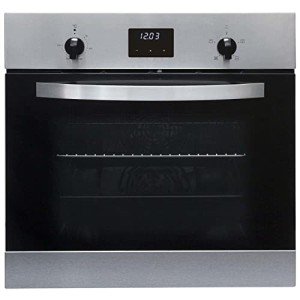
What is a Built-In Electric Cooker?
A built-in electric cooker is an integrated cooking device created to fit flawlessly into kitchen cabinets. Unlike freestanding models, these cookers are permanently set up in the kitchen, providing a built-in visual. They are available in different types, including ovens, hobs, and mix systems, and generally use electrical energy as the main heat source.
Kinds Of Built-In Electric Cookers
The category of built-in electric cookers can be broken down into several categories:
| Type | Description |
|---|---|
| Built-In Ovens | Integrated Oven Electric cooking systems utilized for baking, roasting, etc. |
| Electric Hobs | Flat cooking surface areas with heating elements for stovetop cooking. |
| Combi Ovens | Mix units that work as both a microwave and a standard oven. |
| Steam Ovens | Ovens created to prepare food with steam, maintaining nutrients and flavors. |
Benefits of Built-In Electric Cookers
Built-in electric cookers use several benefits that make them a popular choice amongst property owners and culinary enthusiasts alike. Here are some essential advantages:
-
Space Efficiency: Built-in electric cookers conserve counter space, making them perfect for smaller kitchen areas where maximizing space is vital.
-
Visual Appeal: These cookers provide a streamlined and refined appearance to the kitchen. Their integrated style improves the total kitchen cabinetry, contributing to a modern visual.
-
Improved Functionality: Many built-in electric cookers featured sophisticated functions such as digital controls, self-cleaning alternatives, and wise technology for remote tracking.
-
Enhanced Safety: Built-in models typically have security functions such as automobile shut-off and child locks, making them much safer in environments with children.
-
Flexibility: From convection ovens to induction hobs, built-in electric cookers offer varied cooking choices, catering to numerous culinary requirements.
Considerations Before Installing a Built-In Electric Cooker
While built-in electric cookers bring numerous advantages, some factors to consider ought to be considered before buying:
-
Installation Requirements: Built-in cookers often require professional setup, which might consist of electrical adjustments.
-
Expense: These designs typically come at a greater price point than portable appliances, both for the units themselves and setup.
-
Limited Mobility: Once installed, built-in electric cookers can not be easily moved, which can be a drawback for those who may move often.
-
Compatibility: Homeowners need to make sure that their kitchen space supports the particular measurements and electrical requirements of the cooker.
Installation and Maintenance
Correct setup and upkeep are important to make sure optimal performance and longevity of built-in electric cookers. Here are some steps and ideas:
Installation Process
-
Measurement: Measure the designated area in the kitchen to make sure the cooker fits effectively. Think about the height, depth, and width of the home appliance.
-
Electrical Setup: Check if existing electrical work meets the cooker’s power requirements. This might involve assessment with an electrical contractor.
-
Ventilation: Ensure the kitchen has appropriate ventilation if the cooker needs it.
-
Follow Manufacturer Instructions: Always abide by the manufacturer’s installation guidelines to prevent guarantee issues.
Maintenance Tips
-
Routine Cleaning: Keep the cooker tidy by immediately wiping spills and food residues. Self-cleaning choices can likewise be used when readily available.
-
Check Seals and Gaskets: Inspect the door seals frequently to guarantee they remain in excellent condition, avoiding heat loss and improving effectiveness.
-
Expert Servicing: Schedule expert upkeep checks to make sure all elements are functioning effectively and deal with any problems.
Regularly Asked Questions (FAQs)
What is the life-span of a built-in electric cooker?
The life expectancy of built-in electric cookers generally ranges from 10 to 15 years, depending on use and upkeep.
Can a built-in electric cooker be fixed?
Yes, many built-in electric cookers can be fixed. Nevertheless, the repair work expenses can be substantial, so it’s necessary to weigh the cost of repair versus replacement.
Are built-in electric cookers energy-efficient?
Built-in electric cookers can be energy-efficient, especially models with energy-saving functions such as induction innovation or smart heating aspects.
Do built-in electric cookers require particular cabinets?
Yes, built-in cookers need to be set up in cabinetry created to accommodate them, guaranteeing appropriate ventilation and support.
How do I select the best built-in electric cooker for my needs?
Consider your cooking routines, kitchen area, and preferred functions. It’s advantageous to read evaluations and talk to kitchen home appliance experts while deciding.
Built-in electric cookers represent a combination of functionality and elegance in modern-day kitchen style. They boost the cooking experience while complementing the general aesthetic of the kitchen. Just like any considerable home appliance investment, understanding the advantages, factors to consider, and upkeep included is essential for making an informed choice. By integrating a built-in electric cooker, property owners can change their culinary adventures and produce lasting impressions in their kitchen areas.
No listing found.